Field notes: the smelter that drew its pile down before the cut hit the wire
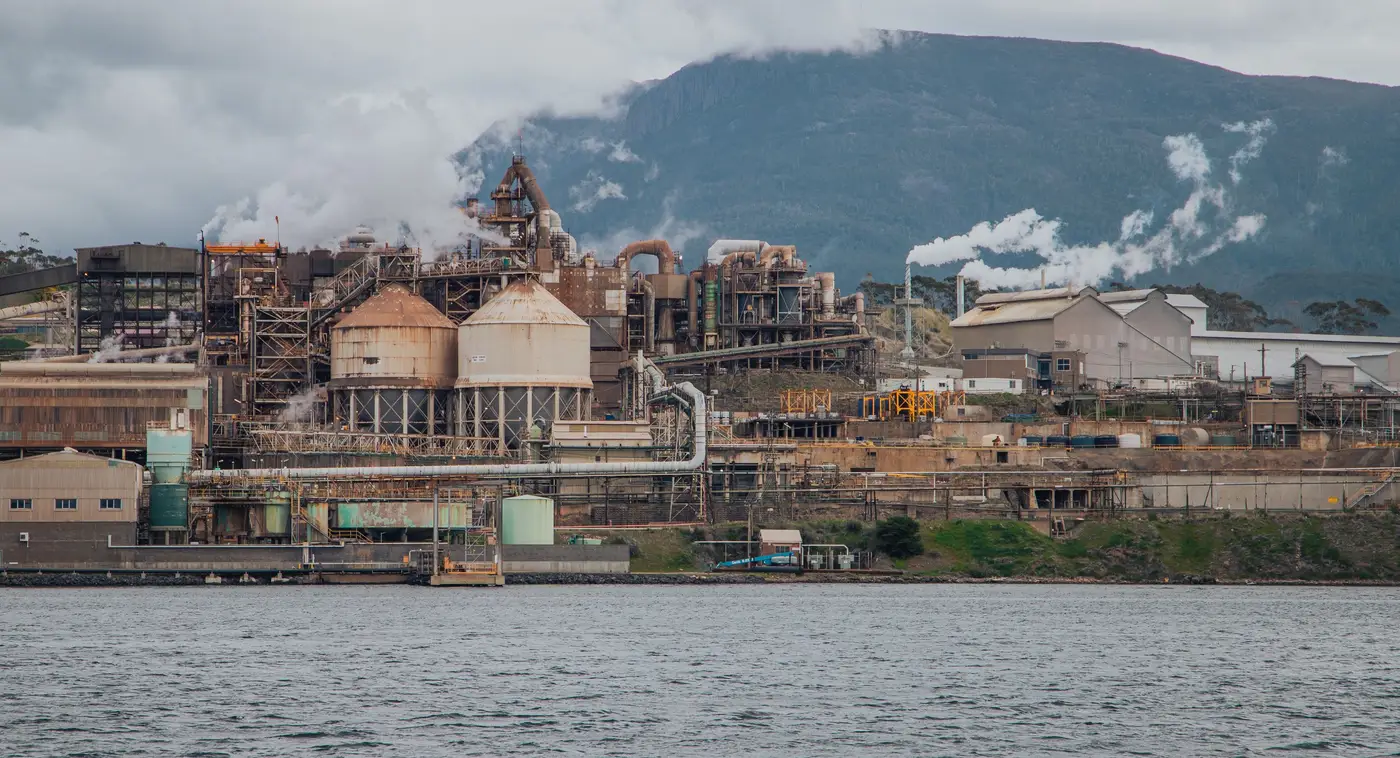
We're not naming the plant. The pile's shape over three weeks matters more here than which smelter it was, and that shape told the story well ahead of the press release.
The smelter in question runs a feed-concentrate stockpile between its rail receival and the furnace. Normal operating range, for this site, runs somewhere between a six and nine day buffer depending on the season and whatever's moving through the port backlog that month. Nothing unusual about that. Smelters carry buffer stock the way a refinery carries crude in tankage: enough to ride out a bad week of inbound logistics without touching throughput.
What caught our eye, going back over the weekly series, was a drawdown that started on a Tuesday and didn't let up. Not a dip-and-recover, which is what you'd expect from a single delayed rail consist or a weather day at the loading port. This was a straight line down, day over day, for fourteen days running. By the end of week two the pile had gone from its usual working range to something closer to three days of cover, which is safety stock, not working buffer. A plant draws into safety stock when inbound rail or barge deliveries have fallen behind schedule for more than a few days running, or when someone upstairs has already decided to trim the furnace rate and is running the pile down ahead of it rather than eating the cost of concentrate purchases already committed.
Two weeks later, the company put out a production update. Output cut, blamed on a maintenance issue at an upstream mine that fed the plant. Fair enough, that's a real thing that happens, and we're not second-guessing the disclosure. But if you'd been watching the pile, you didn't need the press release to know volumes were coming down. The physical stock had already told you, two weeks before anyone wrote a sentence about it.
This is the part of the job that doesn't show up in the quarterly deck. Shipment data tells you what left a port. Reserve and production disclosures tell you what a company wants to say about output, on the schedule it wants to say it. Neither one tells you what's sitting on the ground at the plant right now, which is the thing that actually constrains what happens next. A pile running thin is a plant with less room to absorb a bad week. A pile running fat is a plant either stockpiling ahead of planned maintenance or struggling to move material out the back end, and those two stories look identical in a shipment manifest.
None of this is a prediction model, and a single clean drawdown at a single site describes that site, not the sector. What it gives you is a reason to ask a sharper question on the next call: whether a cut announcement is confirming something the stock already showed, or genuinely new information. That gap between what the pile does and what the press release says, measured in weeks rather than a one-off glance, is the reason to track the series instead of waiting for the slide deck.
We run this kind of weekly read across a handful of named sites as the core of Bulk Stockpile Index, turning the volumetrics into a plain CSV series you can sit next to a price chart and ask the same question we asked about this smelter: is the pile already moving before anyone's said why.
If your desk wants that two-week head start on the next cut, that's the series worth watching.