Blog
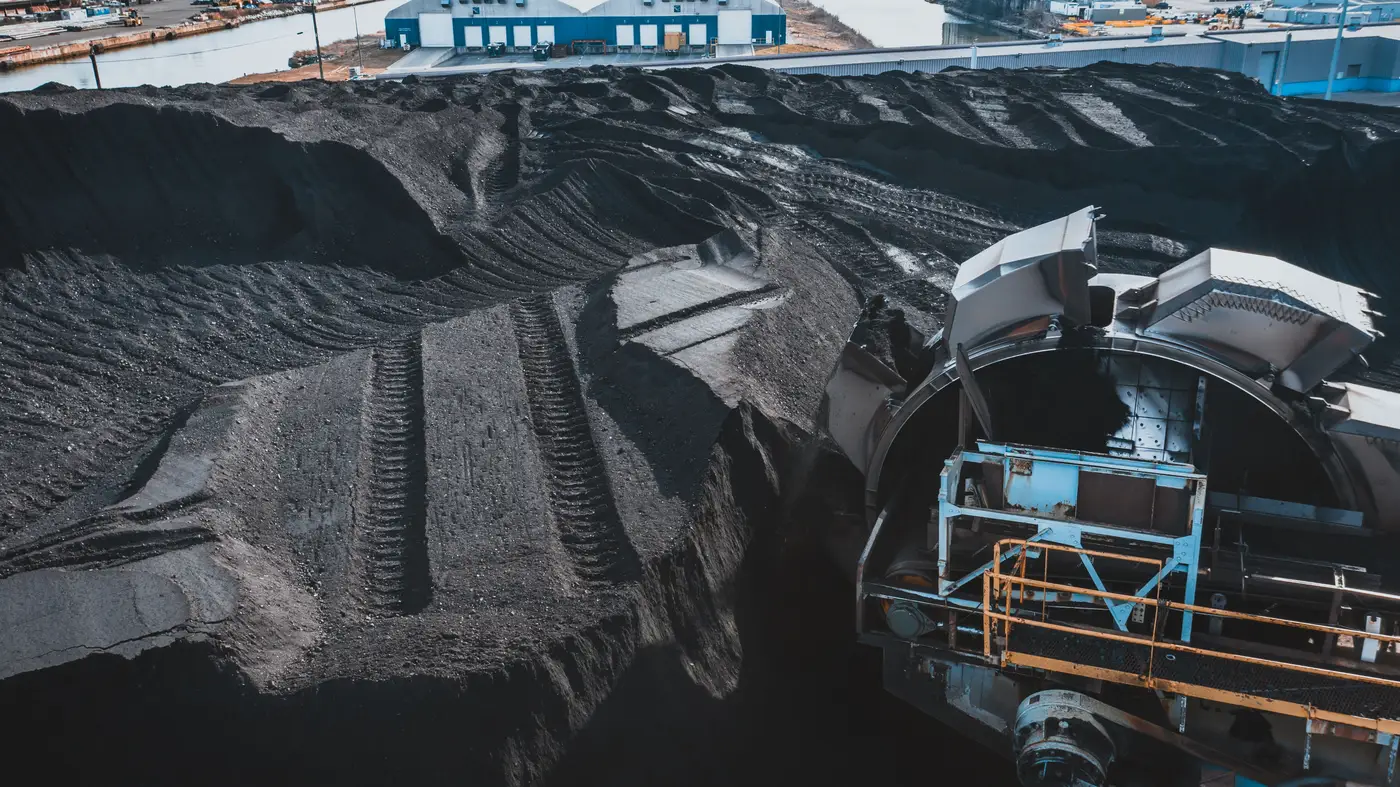 Field notes: the week our index and the quarterly disclosure told two different stories
A desk note on the week weekly pile volumetrics and a quarterly stockpile disclosure disagreed, and what the gap actually meant.
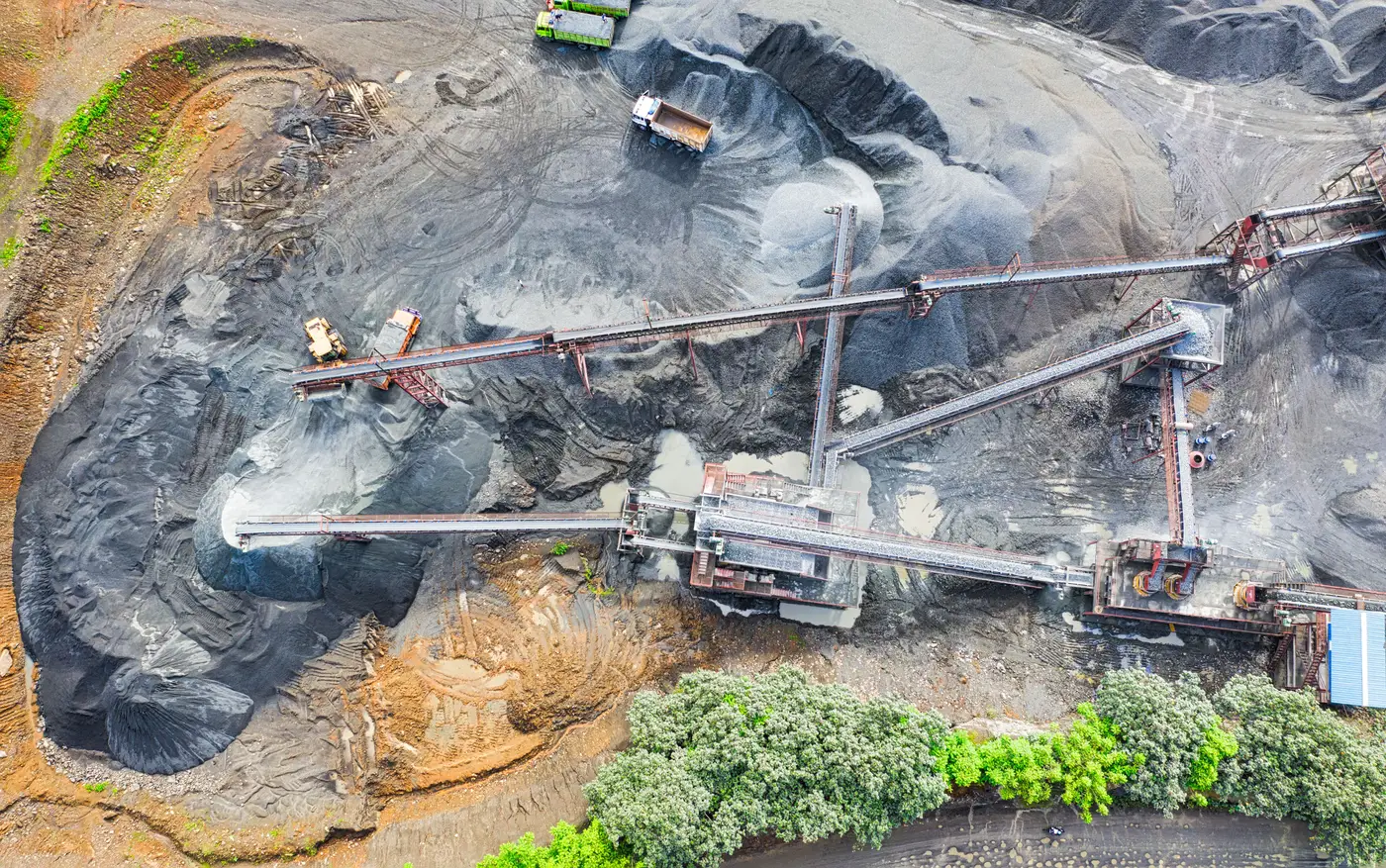 What is apparent consumption, and why a stockpile index can contradict it
Apparent consumption is a residual, not a measurement. Here's the formula, where it breaks, and why pile volumes at site tell a different story.
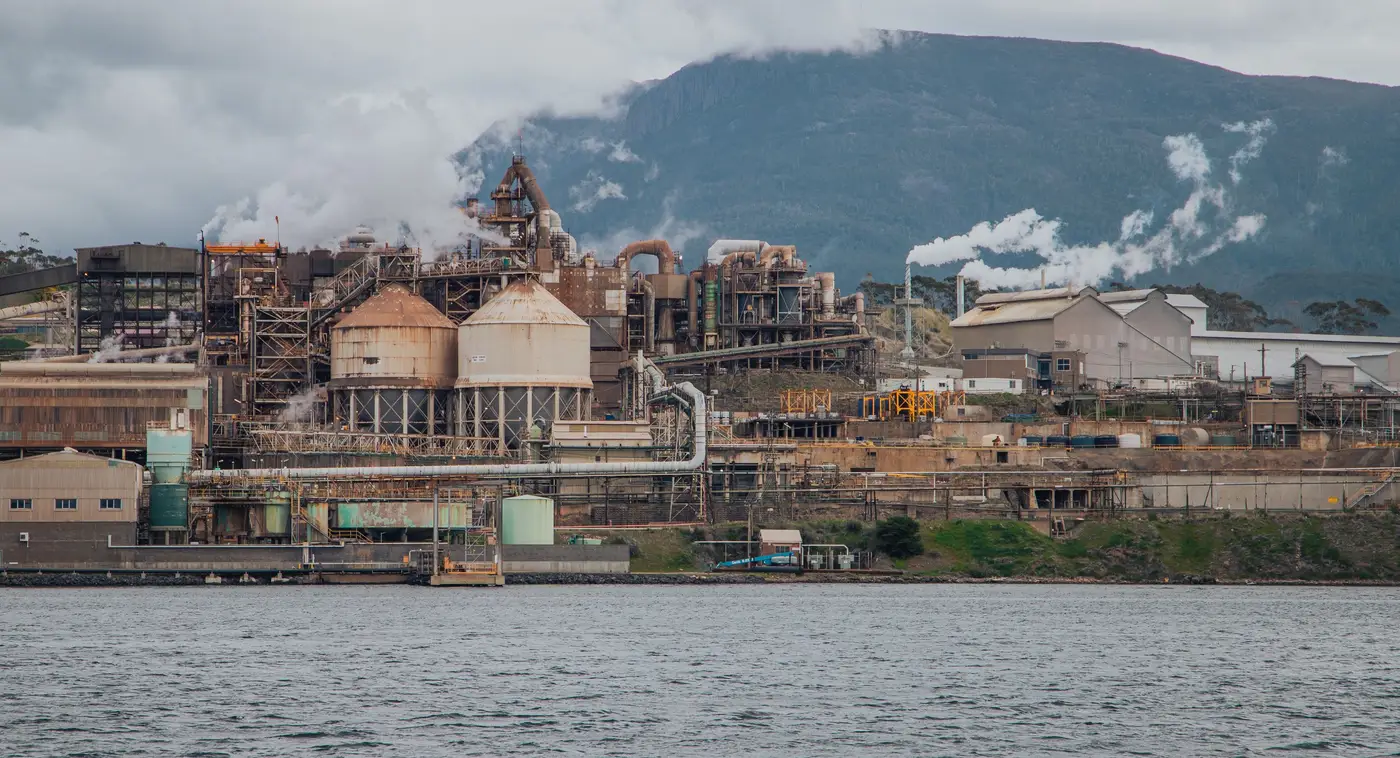 How copper concentrate stockpiles move ahead of TC/RC talks
Why concentrate stock at smelters and ports builds or draws before TC/RC benchmark talks settle, and what the public record misses in between.
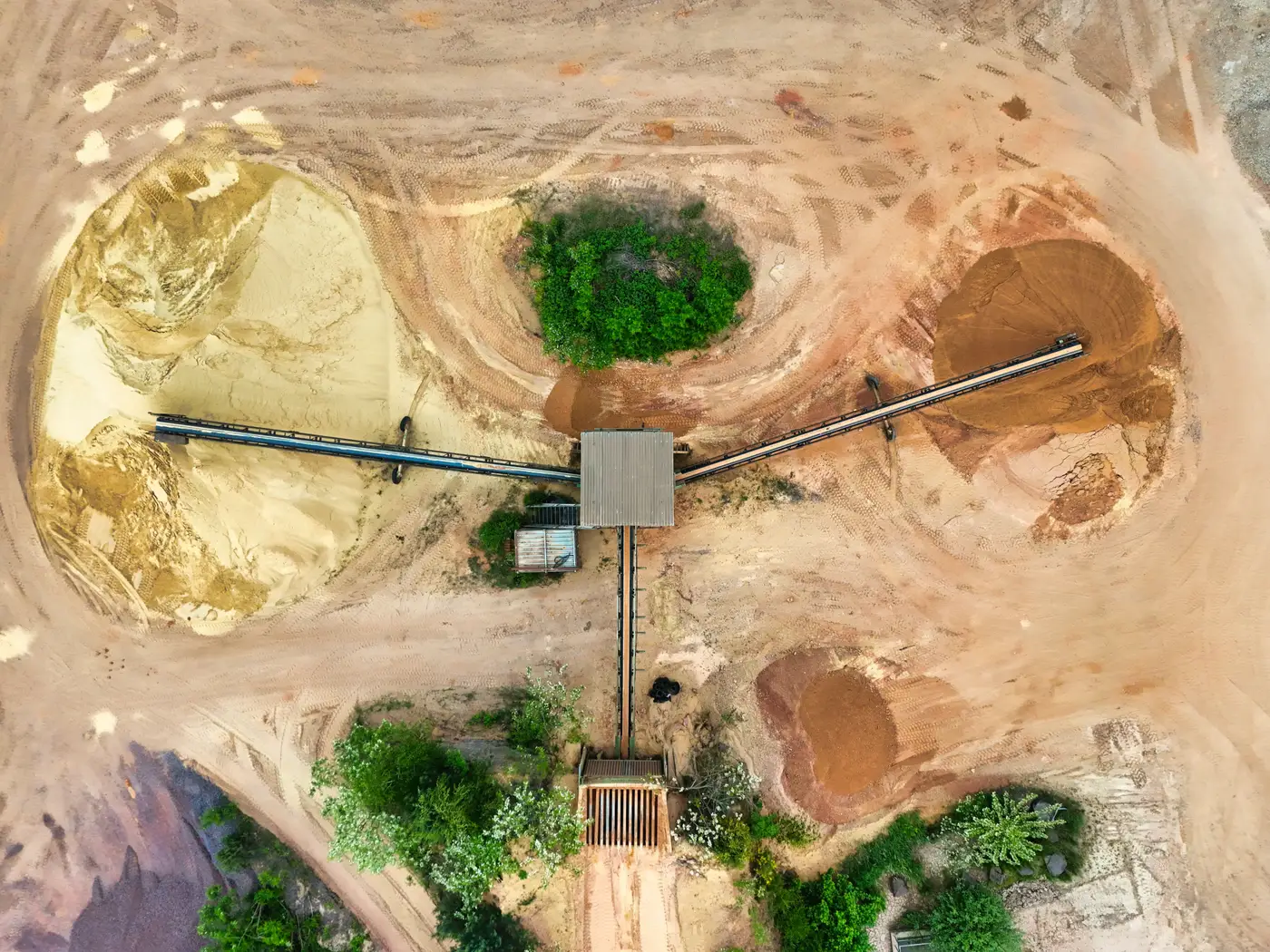 What is a wet-season stockpile build in bauxite logistics?
What a wet-season stockpile build is, why bauxite terminals stack ore ahead of the rain, and why shipment data alone misses it.
- Field notes: the smelter that drew its pile down before the cut hit the wire
A desk note on a smelter whose concentrate pile fell two weeks ahead of its output cut disclosure, and what the drawdown pattern looked like.
- Smelter feed pile vs. slag heap: telling them apart in satellite imagery
How to pick an ore feed stockpile apart from a slag heap on a smelter site using layout, pile geometry and tone in satellite imagery.
- How to track a concentrate stockpile stored under a covered shed
Covered concentrate sheds are a real blind spot for satellite volumetrics. Here's what desk analysts track instead, and where open-air stock still counts.
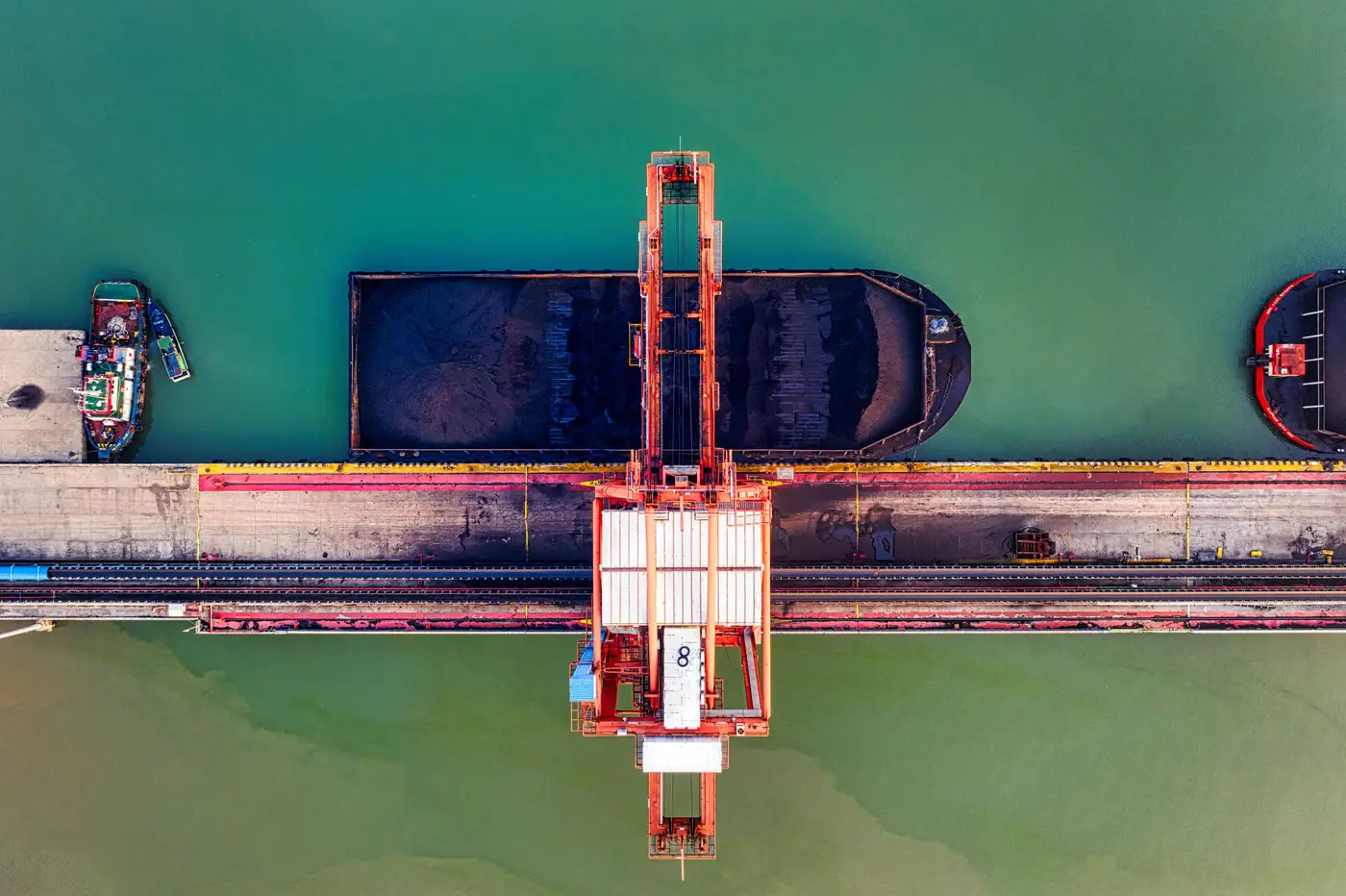 Field notes: the week the port pile outgrew the mine's story
A port stockpile kept climbing after the mine's own dispatch numbers said it should have flattened. Notes on what that gap usually means.
- What is a buffer stockpile at a coal export terminal?
Buffer stock absorbs timing gaps between rail inflow and vessel loading. Here's how it differs from blending stock and why desk analysts track both.
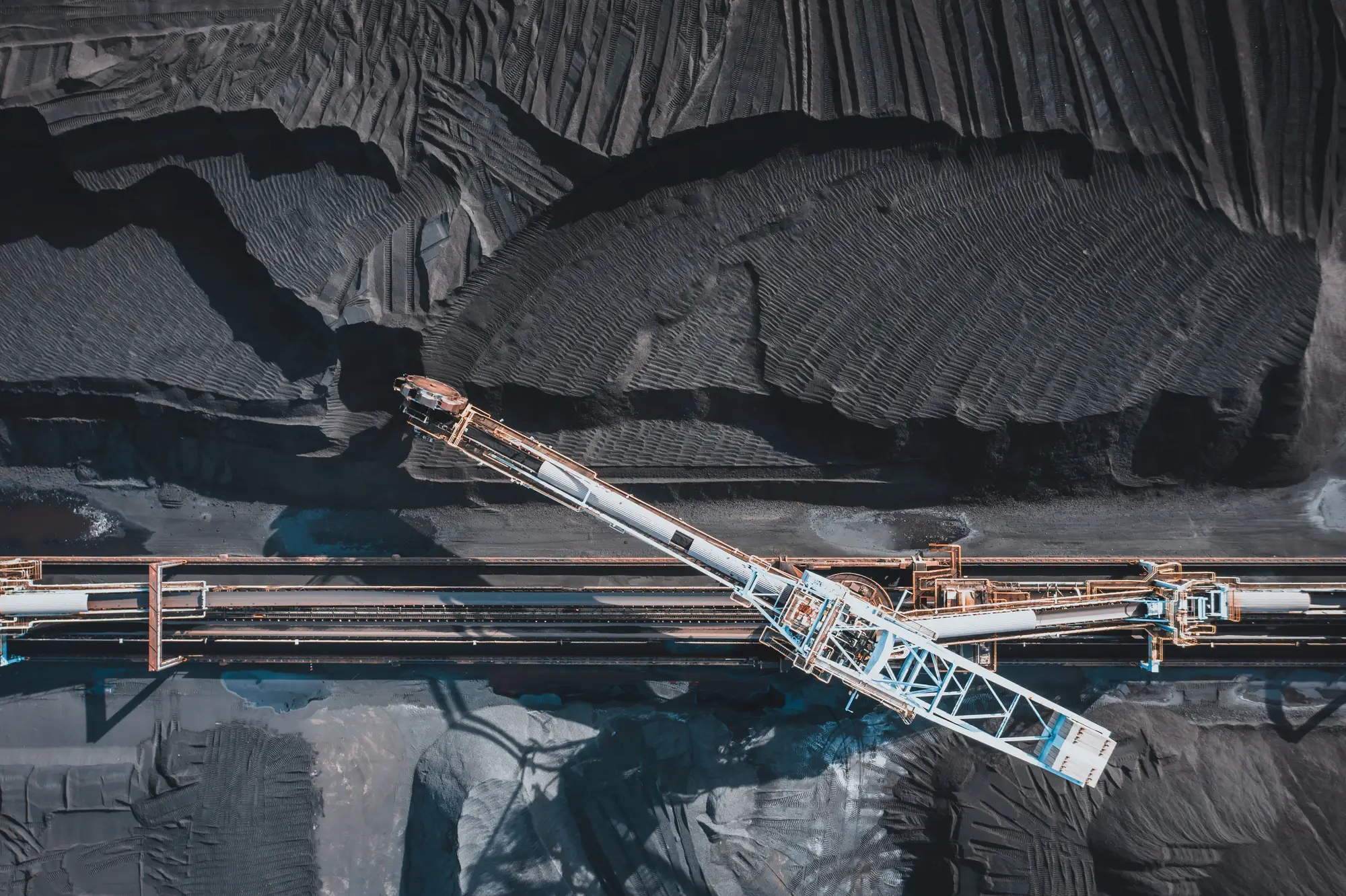 Met coal vs thermal coal stockpiles: how port inventories diverge
Met coal and thermal coal stockpiles at the same port often move in opposite directions. Here's why, and how to read the spread between them.
- What a stockpile ratio is, and why desk analysts watch it next to price
What a stockpile ratio and stockpile-to-throughput ratio actually measure, and why desk analysts track them alongside price rather than after it.
- Contained metal tonnage vs ore tonnage: what the stockpile number tells you
Ore tonnage measures the pile's weight. Contained metal tonnage measures what's inside it. Here's how the two numbers diverge and why it matters for valuation.
- Stacker-reclaimer vs conveyor dump: what the pile shape tells you
Chevron, windrow, or a truck-dump cone: pile geometry at a stockyard tells you how material moved and how reliable a volume read will be.
- Angle of repose: coal vs iron ore stockpiles
Why coal and iron ore piles settle at different slopes, and what that angle gap means when you're estimating tonnage from pile geometry.
- How to estimate stockpile tonnage from pile geometry
A field method for converting cone, frustum, and windrow pile dimensions into a tonnage estimate, and where the geometry math breaks down.
- How to spot a stockpile drawdown before shipment data confirms it
Shipment data confirms a drawdown weeks after it starts. Here's what moves on the pile first, and how to read it as a lead indicator.
- What is a surge pile at a port terminal?
Surge pile, live pile, reserve pile: what each term means in a bulk stockyard and why the surge pile is the one worth watching.