What is apparent consumption, and why a stockpile index can contradict it
Apparent consumption shows up in almost every commodity balance sheet, usually tucked into a footnote or a quarterly supply-demand table. Desks treat it as a demand number. It's a residual, built from three other numbers, and it carries every error baked into those inputs.
The formula and what it actually measures
The standard version:
Apparent consumption = Production + Imports − Exports ± Reported stock change
For a desk covering iron ore, copper concentrate, or thermal coal, this usually gets built from mine output reports, customs trade data, and whatever stock figures the exchange, port authority, or producer chooses to disclose that quarter. None of those three inputs are measured at the same cadence, and none of them are measured at the same place.
Production numbers come from company reporting, often monthly, sometimes restated. Trade data comes from customs, which lags actual vessel movements by weeks and gets revised after the fact, sometimes by a meaningful tonnage. Stock change is the weakest link: most producers and ports only disclose stock levels quarterly, and some don't disclose at site-level tonnage at all, just an aggregate for the whole operation.
So when a bank or an industry body publishes apparent consumption for, say, Chinese copper concentrate, what's being published is: production (estimated) plus imports (lagged and revised) minus exports (lagged and revised) minus a stock change figure that's often a plug, not an observation. Call it what it is. A derived number built on top of three noisy ones.
Why a stockpile index and apparent consumption diverge
This is where things get interesting for anyone trading or hedging around the number. Apparent consumption assumes that whatever tonnage isn't accounted for by production and trade flows got "consumed." It has to go somewhere in the equation, and the equation has no other place to put it.
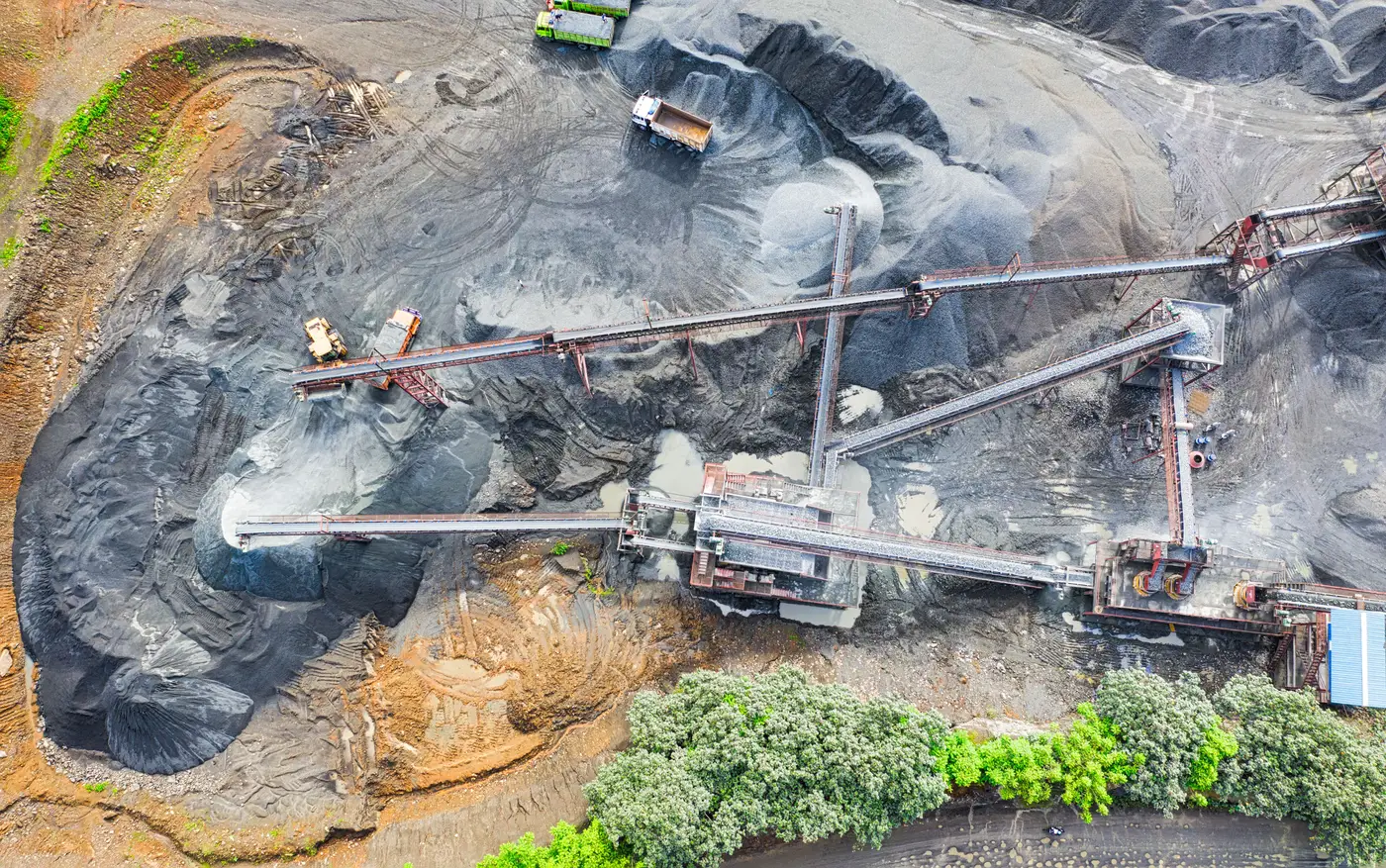
But tonnage doesn't vanish. It sits. On a pad at the mine gate waiting for rail capacity. In a stacker-reclaimer yard at the port because a vessel got delayed. In a smelter's buffer stock because blending constraints mean the plant can't draw it down as fast as the balance sheet assumes. None of that shows up in apparent consumption until the next disclosure cycle, if it shows up at all.
This is the gap a weekly pile read closes. If apparent consumption implies destocking, demand pulling ahead of supply, tight basis, but the piles at the named ports and smelters you're tracking are visibly building week over week, you've got a contradiction worth trading on. One of two things is true: either the trade data your apparent consumption figure relies on hasn't caught up yet, or the "consumption" side of the equation is sitting in inventory somewhere nobody's reporting. Either way, the index is giving you information the formula structurally can't.
The reverse happens too. Apparent consumption can show a comfortable build while piles at the mine and port are drawing down fast, because production guidance was optimistic or export data hasn't cleared customs yet. A desk watching only the quarterly balance sheet finds out when the revision lands. A desk watching pile volumes at the named sites sees the draw-down three or four weeks earlier, before it's priced in.
None of this makes apparent consumption useless. It's still the standard framework, and it's still what gets quoted in every research note. What it means is that the number is a lagging, revision-prone estimate of where tonnage ended up, while a stockpile read is a direct count of where tonnage is sitting right now. When the two disagree, the pile data is usually the one that's current, and the balance sheet is the one that catches up.
If you're reconciling apparent consumption against what's sitting at the yard, a weekly volumetric series across named mines, smelters, and ports fills in the piece the trade data can't see until the revision cycle catches up.
Run your next balance sheet alongside an actual pile count and see which one moves first.