What is a wet-season stockpile build in bauxite logistics?
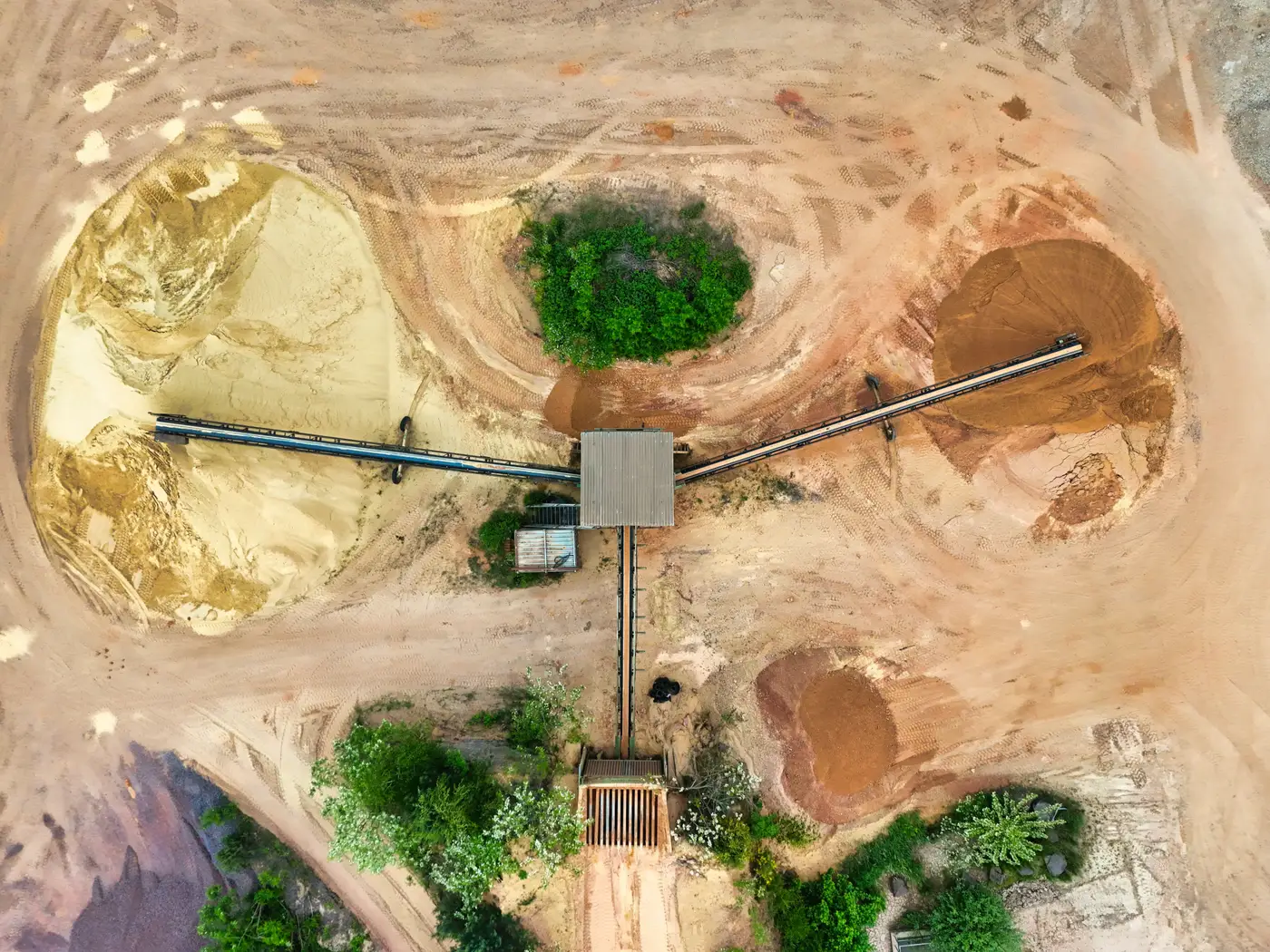
A wet-season stockpile build is the inventory cushion a bauxite terminal grows on purpose before the rain shuts half its handling chain down. Not a surprise, not an accident of shipping schedules. A planned draw-up in tonnage at the stacker that gets spent back down, pile by pile, over the months when trucks can't run the haul road and barges can't clear the bar.
Bauxite is wetter and heavier than most dry bulk, and that's the whole problem. Above a certain moisture threshold, the ore can liquefy inside a ship's hold under vibration, the cargo shifts, and the vessel lists. The IMSBC Code sets a Transportable Moisture Limit for exactly this reason, and port authorities enforce it hard. When rainfall pushes cargo moisture past the TML, loading stops. Not slows. Stops, until the pile dries or gets blended down with drier material.
What the terminal is actually protecting against
In Guinea, the wet season runs roughly June through October, and it isn't light rain. Unsealed haul roads from the mine to rail head turn to soup, barge drafts on the rivers drop, and rail loading can sit idle for days after a heavy system. In Western Australia and Queensland, cyclone season from November to April brings a different flavor of the same problem: port closures, conveyor shutdowns on safety grounds, and stacker-reclaimer crews pulled off exposed yards.
Either way, the mine keeps digging. The question is whether the port can keep moving ore at the same rate it's arriving. A terminal that waits until the first monsoon squall to figure that out is already behind. So the build starts in the dry months, well before the rain, stacking tonnage into yard storage faster than vessels are lifting it out. By the time the wet season peaks, the pile at the port is doing the job the haul road and the barge fleet can't: feeding the berth on schedule regardless of what the sky is doing.
Why a desk analyst can't just watch shipment data
Shipment and export figures record what already left the berth last month. Yard inventory, the pile still being built or already being drawn down behind the stacker, doesn't show up in that figure at all. A terminal can report a soft export month and still be fine, because the yard is carrying three weeks of buffer built in April. Or it can report a normal month and be one bad system away from a refinery feed gap, because the build never got to target tonnage before the rain hit early.
Quarterly disclosure is worse for this than shipment data, not better. By the time a producer confirms a stockpile shortfall in a quarterly report, the alumina refinery on the other end has already burned through its own buffer and the price has usually moved. For a desk tracking bauxite into refinery feed, the pile itself, not the export number, not the quarterly footnote, is the leading indicator. A thinning pile mid-wet-season is a tell. A pile that never got built tall enough in the dry months is an earlier one.
This is the gap Bulk Stockpile Index is built to close: a weekly read on the actual volume sitting at named ports and terminals, so a build that's running behind shows up in the data in August, not in a results call the following January.
If wet-season timing matters to a position you're carrying on bauxite or alumina, it's worth seeing the pile trend for yourself before the next rain system rolls in.